One-Pot Creamy Tuscan Pasta with Sun-Dried Tomatoes and Spinach
I made this on a Tuesday when my anxiety was humming at about a 6 out of 10 and I had exactly zero interest in doing dishes.
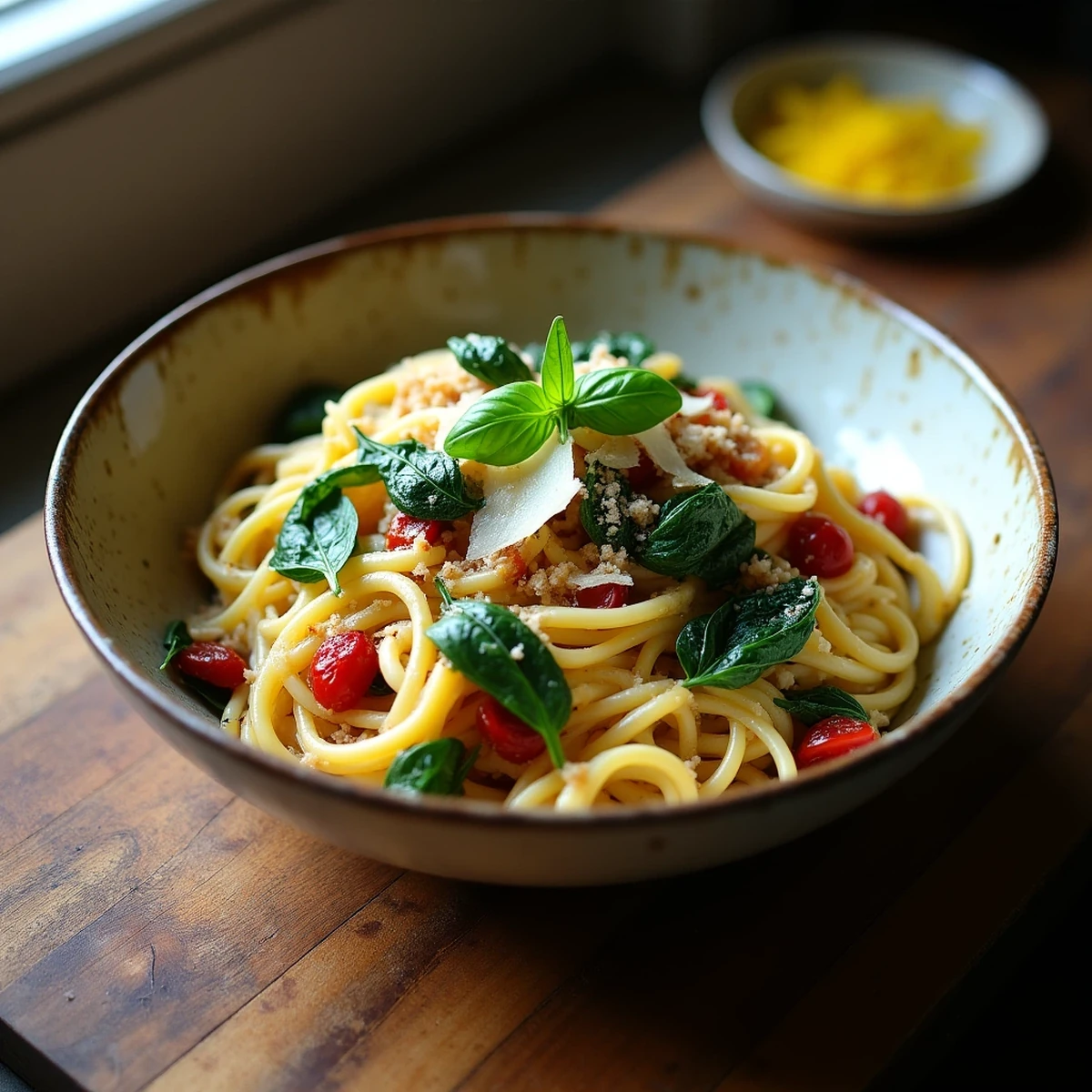
I made this on a Tuesday when my anxiety was humming at about a 6 out of 10 and I had exactly zero interest in doing dishes. I needed something warm and filling and — honestly — something that felt a little luxurious without requiring me to be a functioning adult for more than 30 minutes. This one-pot creamy Tuscan pasta was the answer, and it’s been in my regular rotation ever since.
Here’s the thing about this recipe that gets me excited beyond just the fact that it’s delicious: every major ingredient is pulling nutritional weight for your brain. Sun-dried tomatoes are concentrated sources of lycopene, a carotenoid with significant anti-inflammatory properties — and chronic neuroinflammation is increasingly linked to depression and anxiety in the research. Spinach is loaded with folate (vitamin B9), which your brain requires to synthesize serotonin, dopamine, and norepinephrine. And if you use a good olive oil here, you’re getting oleocanthal, a natural anti-inflammatory compound that works through similar pathways as ibuprofen. This isn’t just a comfort meal. It’s a comfort meal that’s doing something.
The one-pot method matters more than you might think. Beyond the obvious fewer-dishes win, cooking the pasta directly in the broth means all the starch that would normally go down the drain stays in the pot, creating a naturally thick, creamy sauce without heavy cream (I use a splash of light cream or full-fat coconut milk — both work beautifully). The garlic infuses the whole thing. The spinach wilts in right at the end, keeping most of its folate intact. My eomma would not recognize this dish — it’s about as far from doenjang jjigae as you can get — but she’d eat three bowls of it, and that’s the highest endorsement I can offer.
A quick note before we get into it: this pasta is a complement to a good week, not a cure for a hard one. If you’re struggling, please reach out to a professional — I see Dr. Patel regularly and I’m a better person for it. But on the days when you want dinner to feel like a small act of care, this is the one.
Ingredients
- 2 tbsp extra-virgin olive oil — rich in oleocanthal, a natural anti-inflammatory compound
- 5 cloves garlic, thinly sliced
- 1/2 tsp red pepper flakes (optional, but recommended)
- 1/2 cup sun-dried tomatoes in oil, drained and roughly chopped — concentrated lycopene and umami
- 12 oz (340g) linguine or spaghetti, dry
- 3 1/2 cups low-sodium vegetable or chicken broth
- 1 1/2 cups water
- 1/3 cup light cream or full-fat coconut milk
- 1/2 cup freshly grated Parmesan (plus more to serve), or nutritional yeast for dairy-free
- 3 cups fresh baby spinach — folate, magnesium, and iron for mood regulation
- 1/4 cup fresh basil leaves, torn
- 1/2 tsp fine sea salt, plus more to taste
- 1/4 tsp freshly ground black pepper
- Zest of 1 lemon
- 1 tbsp lemon juice
Instructions
-
- Heat the olive oil in a large, wide pot or deep skillet over medium heat. Once shimmering, add the sliced garlic and red pepper flakes. Cook, stirring frequently, for about 2 minutes until the garlic is golden and fragrant — watch it closely here, because the line between golden and burnt is fast and unforgiving.
-
- Add the sun-dried tomatoes and stir to coat them in the garlic oil. Cook for 1 minute. The tomatoes will sizzle and release their concentrated flavor into the oil, which becomes the flavor base for the whole dish.
-
- Add the dry pasta, broth, water, salt, and black pepper to the pot. Stir everything together and bring to a boil over medium-high heat. This is where the one-pot magic starts — the pasta cooks directly in the seasoned liquid, absorbing all that flavor.
-
- Once boiling, reduce the heat to medium and cook uncovered, stirring every 2-3 minutes to prevent sticking, for 9-12 minutes — until the pasta is just al dente and most of the liquid has been absorbed into a starchy, glossy sauce. The sauce will look loose at this point; that’s correct.
-
- Reduce the heat to low. Add the cream (or coconut milk) and Parmesan, stirring gently until the cheese is fully melted and incorporated. The sauce will come together into something creamy and cohesive. Taste here and adjust salt.
-
- Add the spinach in two handfuls, folding it gently into the pasta. The heat is low enough at this stage to preserve most of the folate — one of the key B vitamins for mood regulation — while still wilting the leaves beautifully, about 1-2 minutes.
-
- Remove from heat. Stir in the lemon zest, lemon juice, and fresh basil. The lemon brightens everything and balances the richness of the cream and Parmesan. Taste one more time and adjust seasoning.
-
- Serve immediately, with extra Parmesan and a crack of black pepper on top. This one doesn’t wait well — the pasta continues to absorb the sauce as it sits, so eat it warm and fresh.
Nutrition
Tips
1. Stir more than you think you need to. The one-pot method works because the pasta starch thickens the cooking liquid into a sauce, but that same starch can make the pasta stick to the bottom if you walk away. Set a timer for every 2-3 minutes and give it a good stir. It’s not passive cooking — it’s attentive cooking, which I’ve come to think of as a form of mindfulness that doesn’t require a meditation cushion.
2. Pull the pasta off the heat while it still looks slightly underdone. It will continue cooking from residual heat while you add the cream, spinach, and lemon. If you wait until it looks perfectly done in the pot, it’ll be overcooked by the time it hits the bowl. Trust the process. Al dente pasta also has a lower glycemic impact than fully soft pasta, which means steadier blood sugar — and steadier blood sugar supports more stable mood. The science and the texture are aligned on this one.
3. The lemon is not optional. I know it sounds like a finishing flourish, but the lemon zest and juice do something chemically important in this dish: the acidity cuts through the fat in the cream and Parmesan and brings all the other flavors into focus. Without it, the dish tastes good. With it, it tastes right. Also, lemon zest contains limonene, a compound showing early promise in anxiety research — probably not enough to matter at this dose, but I appreciate the intention.